Air Pollution and Children's Health
Why developing lungs and higher breathing rates make children especially vulnerable to polluted air.
In this article
Understand first
Three things this evidence means for you
- 1Children are especially vulnerable because their lungs and other body systems are still developing.
- 2Both short- and long-term exposure to polluted air can affect health.
- 3Adults can reduce exposure by checking conditions and changing the timing or location of outdoor activity.
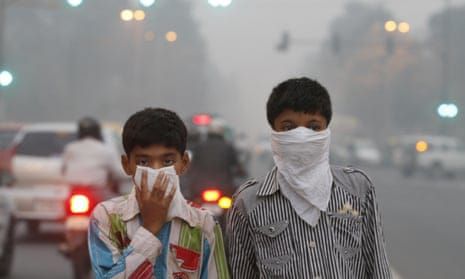
Children breathe more air relative to their body size, spend more time active outdoors, and have lungs and immune systems that are still developing.
Potential health effects
- Asthma, bronchitis, and reduced lung growth
- More respiratory infections
- Possible effects on cognitive development
- Long-term cardiovascular stress
How adults can protect children
- Check AQI before outdoor play or sports
- Move activities indoors during pollution peaks
- Keep classroom and home air clean
- Use a correctly fitted protective mask when appropriate
- Teach children what air quality colors mean
Local context
Planning a school day in Kathmandu
A school can check current and hourly conditions before assembly, sports, or outdoor play. When pollution is elevated, staff can shorten strenuous activity, move it indoors where the air is cleaner, or choose a later period if the forecast and current readings improve.
Now act
Practical recommendations
- Check current AQI before outdoor play, sports, and the school commute.
- Reduce prolonged strenuous activity when pollution is elevated, especially for children with asthma.
- Follow a child's medical action plan and seek professional care for concerning symptoms.
- Improve indoor air where feasible and keep children away from smoke and heavy traffic emissions.
Sources and methodology
Health information is summarized from WHO guidance and is educational, not individualized medical advice. Activity decisions should consider the child's health, current local conditions, duration of exposure, and advice from a qualified clinician.
- 1.Health effects of air pollution: World Health Organization
- 2.Ambient outdoor air pollution fact sheet: World Health Organization
Continue learning
Related action guides
 Our Research
How Weather Patterns Affect Air Quality
Discover how wind, rain, temperature, and humidity change pollution levels in urban areas.
 Our Research
Air Pollution and Children: A Practical Guide for Parents and Schools
A practical AQI action plan for parents and schools, covering outdoor activity, classrooms, asthma, communication and cleaner air.
 Our Research
Kathmandu Air Pollution: Causes, Seasons and Health Effects
Understand why Kathmandu's air becomes polluted, who faces the greatest risk, and which practical actions can reduce exposure today.