How Weather Patterns Affect Air Quality
Discover how wind, rain, temperature, and humidity change pollution levels in urban areas.
In this article
Understand first
Three things this evidence means for you
- 1Wind can disperse pollution or transport it from one community to another.
- 2Calm conditions and temperature inversions can trap pollutants close to the ground.
- 3Rain can remove particles temporarily, but emissions determine how quickly pollution builds again.
Weather determines whether pollutants disperse, accumulate near the ground, or are washed out of the atmosphere. That is why air quality can change quickly even when emissions remain similar.
Temperature inversions
During an inversion, warm air traps cooler polluted air near the ground. Valley cities are especially vulnerable during calm winter mornings.
Wind and rain
- Strong winds generally disperse pollution
- Calm conditions allow pollutants to build up
- Wind direction moves pollution toward downwind communities
- Rain removes airborne particles through wet deposition
Seasonal patterns
- Summer heat and sunlight can increase ground-level ozone
- Winter heating and inversions can trap particulate pollution
- Spring and autumn conditions are often more variable
Local context
Why valley conditions matter in Kathmandu
In a basin such as Kathmandu Valley, surrounding terrain and weak winds can limit dispersion. Conditions may improve after stronger winds or rainfall and worsen again when the atmosphere becomes stable, so the time of day matters when planning outdoor activity.
Now act
Practical recommendations
- Compare current air quality with the hourly forecast instead of relying on the day's weather alone.
- Use calmer early-morning periods cautiously when an inversion or visible haze is present.
- After rain, confirm that PM2.5 has actually fallen before extending outdoor activity.
Sources and methodology
The explanation combines established atmospheric-dispersion principles with the weather and air-quality variables shown by VayuDrishti. Forecast values come from gridded models and may not capture street-level sources.
- 1.WHO global air quality guidelines: World Health Organization
Continue learning
Related action guides
 Our Research
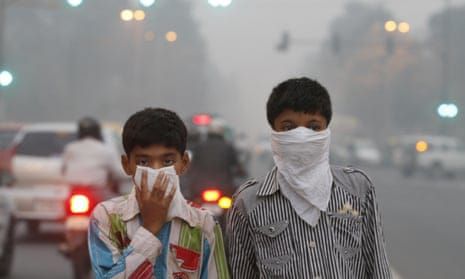
Air Pollution and Children's Health
Why developing lungs and higher breathing rates make children especially vulnerable to polluted air.
 Our Research
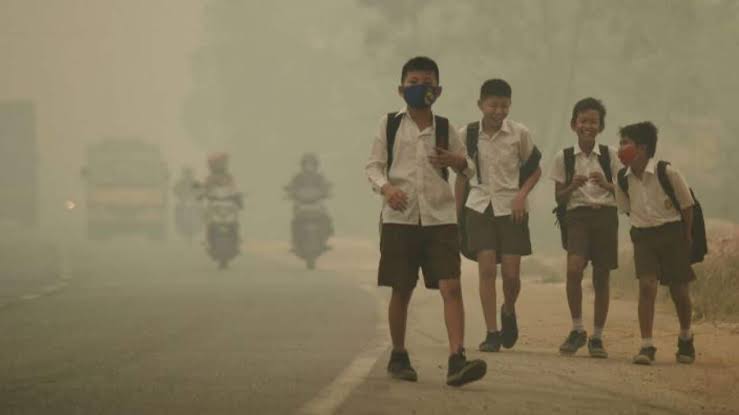
Air Pollution and Children: A Practical Guide for Parents and Schools
A practical AQI action plan for parents and schools, covering outdoor activity, classrooms, asthma, communication and cleaner air.
 Our Research
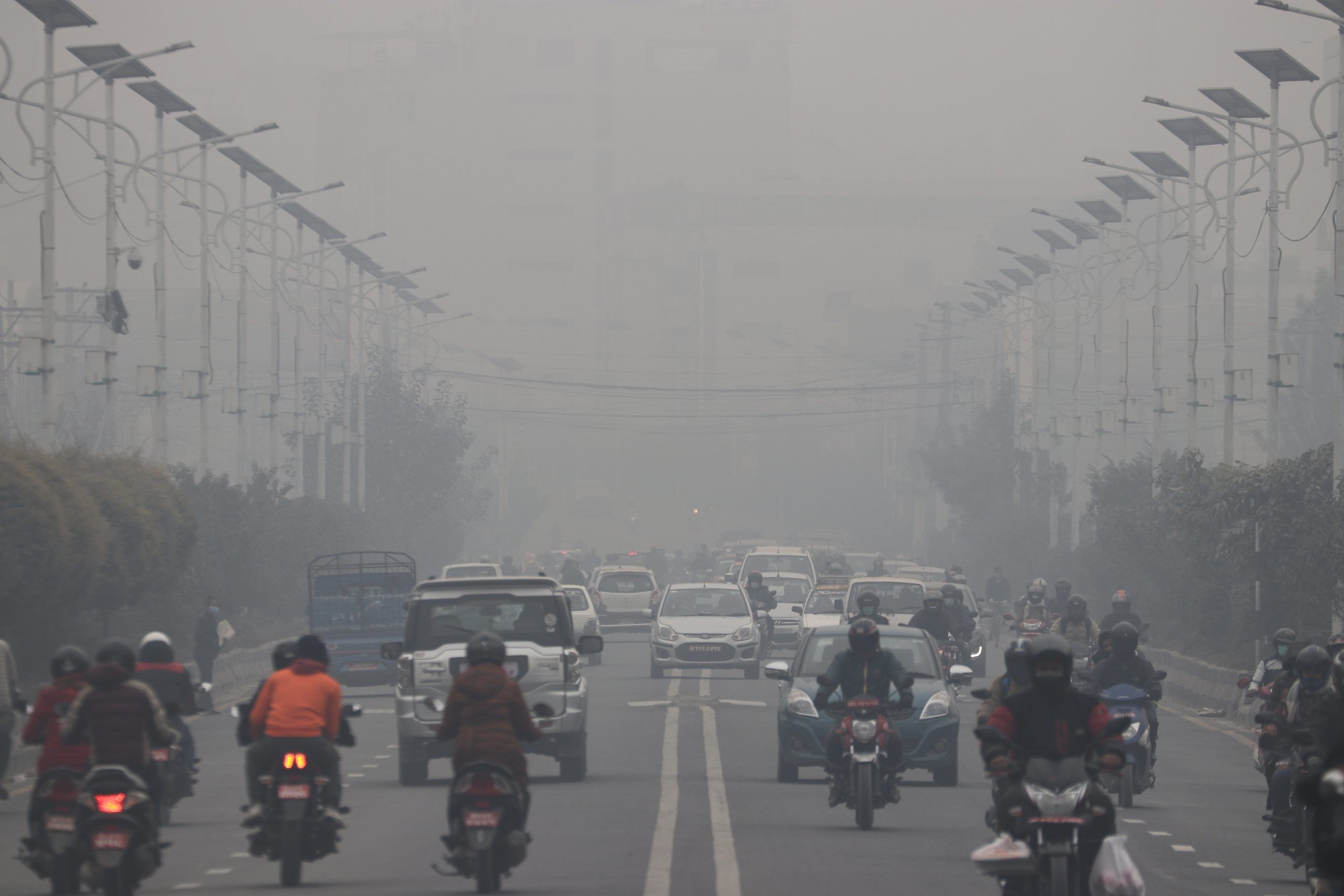
Kathmandu Air Pollution: Causes, Seasons and Health Effects
Understand why Kathmandu's air becomes polluted, who faces the greatest risk, and which practical actions can reduce exposure today.